İletişime Geç Avrupa Sağlık Diş
Safe and Natural Looking Repair for Broken, Cracked, or Spaced Teeth
Dental bonding is an aesthetic procedure applied to correct cracks, fractures, gaps, or discoloration in teeth. This method provides a fast and safe repair using composite material that matches the natural structure of the teeth. At Avrupa Sağlık Oral and Dental Health Clinic, we approach the process not just as an aesthetic procedure, but as a holistic approach that protects dental health.
For each patient, the tooth structure and expectations are examined in detail. The most suitable bonding method is determined through clinical examination and digital measurements, and applied step-by-step. During the procedure, safety, comfort, and long-term results are prioritized, and the patient is informed at every step.
Dental bonding procedures are planned individually for each patient, and the application process is tailored to their specific needs.
Dental bonding restores the aesthetic and functional integrity of teeth.
Broken, cracked, or spaced teeth are repaired using composite material in a way that matches the tooth's natural structure. This method is applied quickly and safely, creating a natural look for the teeth. Both aesthetics and long-term oral health are targeted during the procedure.
Each patient's dental structure and aesthetic expectations are meticulously evaluated. The application process proceeds in a planned and controlled manner, prioritizing patient comfort. Furthermore, transparency is maintained by providing information at every step of the process.
Dental bonding is a treatment process planned specifically for each individual.
The appropriate bonding method is determined by considering the patient's current dental condition, the extent of the damage, and aesthetic expectations. Clinical and digital measurements ensure the best results, and the treatment process is implemented step-by-step.
The materials used during the procedure are compatible with the natural structure of the tooth and offer a comfortable experience. Post-procedure care recommendations ensure the permanence of the results and aesthetic harmony.
Our Case Studies
Watch videos of real patient experiences and our treatment processes. Each case is presented with details before and after treatment.
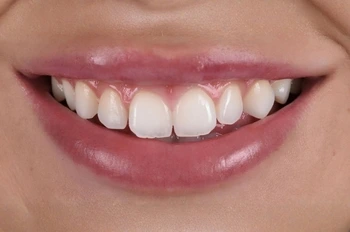
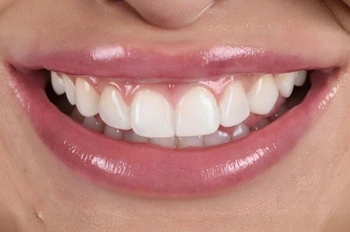
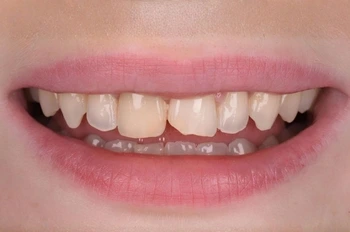
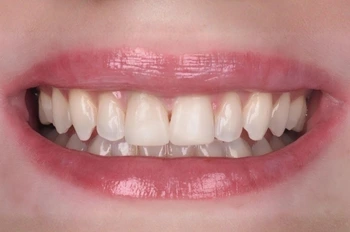
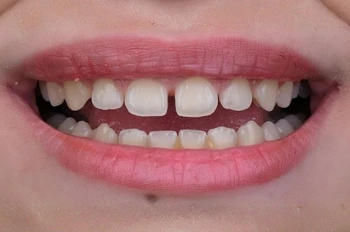
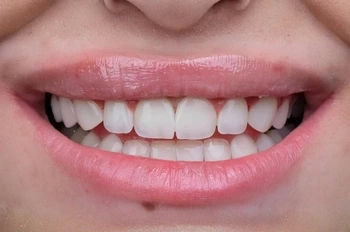
Dental Bonding Before and After
With proper planning and professional application, aesthetic and functional results can be safely achieved before and after dental bonding, and dental health can be protected.
*Treatment plans may vary depending on the individual oral and dental health condition of the patient.
The information on this page is for general informational purposes only, and the definitive diagnosis and treatment can only be determined after an examination by a specialist physician.
Dental bonding, when performed correctly, is a completely safe procedure.
Dental bonding, using composite materials, restores the aesthetic integrity of fractured, cracked, or spaced teeth without damaging the enamel. During the procedure, expert dentists meticulously control every step, prioritizing patient comfort at all times. This process is not merely an aesthetic application; it's managed with a holistic approach that protects long-term oral health.
Each patient's tooth structure, sensitivity, and aesthetic expectations are evaluated in detail. Digital measurements and clinical assessments are performed before the procedure to determine the most suitable bonding method. Thus, the procedure is completed safely, controllably, and predictably, and aesthetic results are maintained for a long time.
Learn MoreThe results obtained with bonding are long-lasting and reliable.
The materials used in professional applications are compatible with the natural structure of the tooth and maintain aesthetic integrity in the long term. However, chewing habits, foods and drinks that cause discoloration, and oral hygiene can affect the permanence of the results. Therefore, post-procedure care and regular check-ups are of great importance.
Personalized care recommendations are provided to the patient, and dental hygiene is meticulously monitored. In this way, the aesthetic and functional results obtained become permanent, and dental bonding is considered a safe solution both visually and in terms of health.
Online ConsultationDental Bonding is a minimal invasive aesthetic dentistry procedure based on composite resin applied to resolve aesthetic defects on the tooth surface. This method, preferred for correcting problems such as cracks, small fractures, gaps, and color differences, is a practical solution that can usually be completed in a single session.
In modern aesthetic dentistry, Dental Bonding is considered an approach that provides both protective and visual improvement. The requirement for minimum abrasion of the tooth tissue makes this procedure stand out among conservative treatment options.
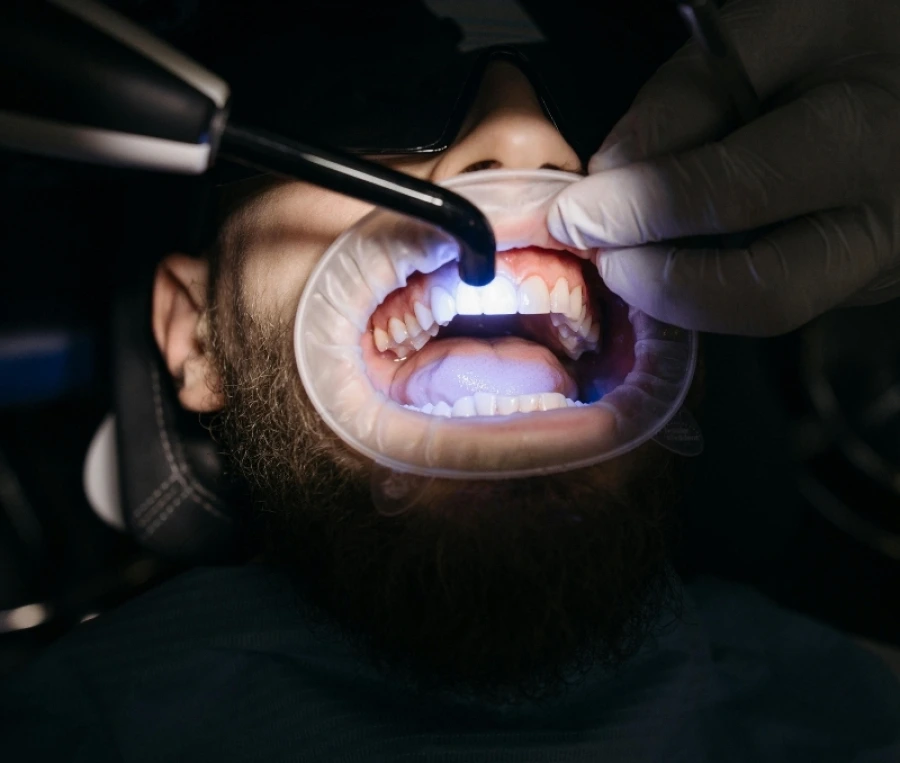
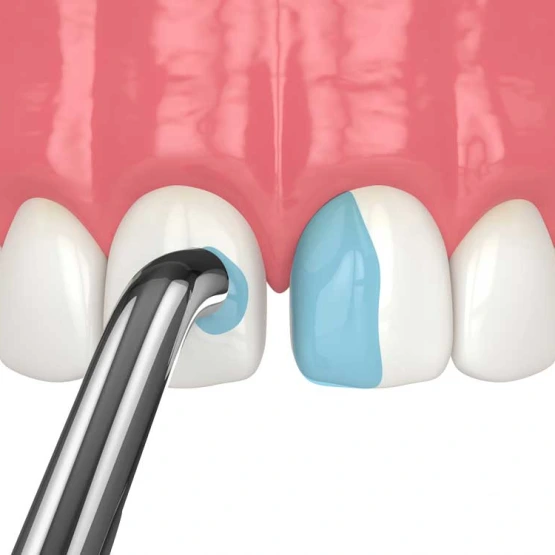
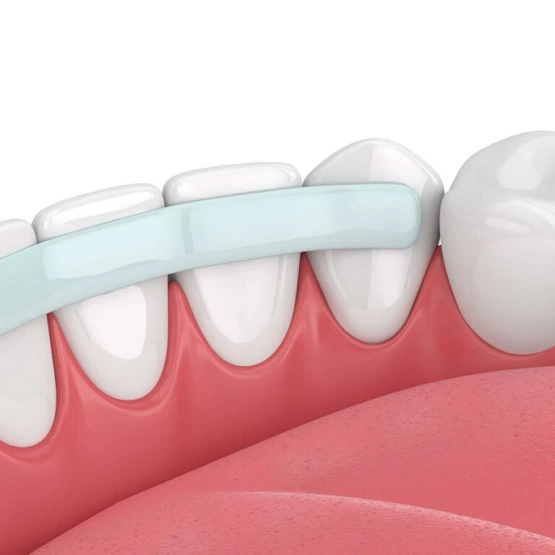
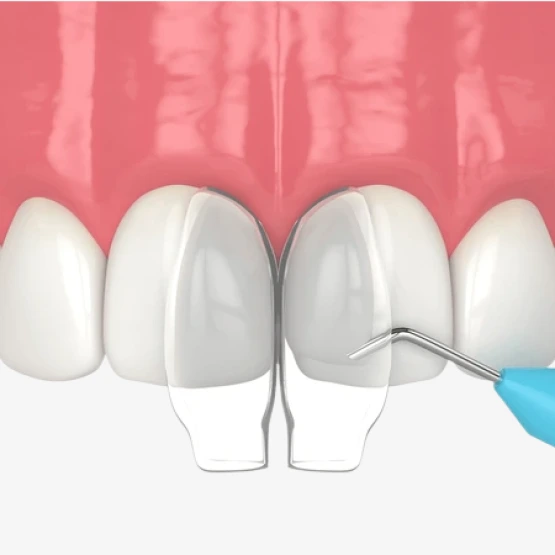
Dental Bonding is based on the application of a tooth-colored special composite material to the tooth surface and hardening it with a special light. The application stages are as follows:
It is an ideal solution for individuals with minor aesthetic imperfections. It is most frequently preferred in the following cases:
Provides rapid results in closing gaps between teeth, known as "diastema."
Used for the aesthetic repair of small-scale fractures occurring in front teeth.
Can be applied to cover stubborn stains that do not resolve with whitening.
Ideal for lengthening teeth or correcting shape deformities.
The composite materials used in the application have a durability similar to aesthetic fillings. Although they show resistance against daily chewing forces, they require more careful use compared to porcelain veneers.
In literature, the lifespan of these applications varies between 3 and 7 years. Oral hygiene, teeth-grinding habits, and dietary style directly affect this duration.
Dental Bonding is popular because it is economical and a reversible procedure. For long-lasting results after the procedure, the following should be considered:
Avoiding very hard foods in the first few hours after the procedure is critical for the adaptation of the material. Additionally, the consumption of intensely colored beverages (tea, coffee, wine) should be limited in the first few days. Dental Bonding surfaces may dull over time; however, they can easily be restored to their original luster with a simple polishing process performed during periodic appointments.
Dental Bonding represents one of the most effective applications of the protective approach in aesthetic dentistry. It has the potential to improve minor aesthetic problems quickly and practically. For those seeking a natural-looking and balanced smile through correct planning and regular maintenance, it is an excellent alternative.
Tüm kadrosu ile uluslararası bilimsel teknikleri kullanarak konservatif, estetik, etik, yaklaşımla, çözümleri hastalarının kendi beklentilerinin ötesine taşır.
Merkez:
Kocatepe, Şehirparkı Cad. No:209/A Bayrampaşa/İstanbul
Şube:
Kocatepe, Kocatepe Cad. 32.Sok. No:34/C Bayrampaşa/İstanbul
Telefon:
+90 542 331 38 39
WhatsApp:
+90 549 640 38 39
E-Posta:
info@avrupasaglikdis.com

© 2026 Avrupa Sağlık Ağız ve Diş Sağlığı Polikliniği. Tüm hakları saklıdır.